Is the Current AI Crash the Same as the Covid Crash 7 Years Ago?

The worst technology-stock bloodbath in years just erased trillions in wealth. But I’ve seen this movie before. And I know how fortunes can be made when everyone else is running for the exits.
Dear Reader,
We had an editorial ready to go to press this morning that was written early Thursday before the market opened.
And it was a beauty.
The headline practically wrote itself.
The Blue Wave That Could Ignite the Next Great Bull Market.
After Tuesday’s Democratic sweep of the midterm elections, Wall Street had exploded higher on Wednesday.
The Dow Jones Industrial Average surged nearly 1,600 points.
The S&P 500 jumped.
The Nasdaq rallied.
Oil prices were falling. Treasury yields were retreating. And suddenly, the possibility of a more pragmatic Washington, lower inflation, and a resumption of the great AI infrastructure boom seemed within reach.
I was preparing to tell readers that the pieces were falling into place for an extraordinary finish to 2026.
And then Thursday happened.
November 5, 2026.
A date investors won’t soon forget.
By the closing bell, Wall Street looked like a crime scene.
The Dow had plunged more than 1,800 points.
The S&P 500 had collapsed 4.4%.
And the technology-heavy Nasdaq Composite had been absolutely demolished, falling approximately 5.5%.
The Nasdaq entered correction territory, more than 10% below its recent record.
For the major averages, it was their worst single-day decline since the tariff panic of April 2025. But for parts of the technology sector, particularly semiconductor stocks, the carnage evoked the darkest days of the COVID-19 crash.

And the selling wasn’t confined to the usual speculative suspects.
Nvidia, the company at the epicenter of the artificial intelligence revolution, plunged roughly 8%.
Advanced Micro Devices fell approximately 14%.
CoreWeave, one of the companies providing the computing infrastructure powering the AI revolution, lost nearly 9%.
And GE Vernova — a company I’ve written extensively about because of its critical role in powering America’s data center boom — declined nearly 7%.
The Philadelphia Semiconductor Index suffered an especially brutal collapse, with losses approaching levels not witnessed since March 2020.
At one point, the Nasdaq had erased more than $3 trillion in market capitalization.
Three trillion dollars.
Gone.
Or at least that’s how the financial headlines described it.
The Best Free Investment You’ll Ever Make
Join Wealth Daily today for FREE. We’ll keep you on top of all the hottest investment ideas before they
hit Wall Street. Become a member today, and get our latest free report: “The $10 Trillion AI Infrastructure Boom.”
It contains full details on why money managers are overpaid and provides you with
tools for growing your wealth.On your own terms. No fees, no commission.
But here’s what I want you to understand.
Three trillion dollars in market value disappearing does not mean three trillion dollars in productive assets suddenly vanished.
The factories are still there. The data centers are still there. The electricity is still flowing. The engineers are still designing the next generation of AI processors.
What changed?
The price investors were willing to pay for those assets.
And that distinction is the difference between understanding a market panic and becoming a victim of one.
I’ve Seen This Movie Before
Something about Thursday’s carnage brought back memories.
Not pleasant memories.
But profitable ones.
March 2020.
COVID-19 was spreading across the planet.
Businesses were shutting down. Airplanes were being grounded. Restaurants were closing.
And investors were dumping stocks as though the American economy was about to disappear forever.
The Dow lost thousands of points in a matter of days.
Trading halts became almost routine.
Financial television transformed into a nonstop parade of fear.
And everywhere you looked, someone was predicting the end of the world.
Sound familiar?
On March 13, 2020, right in the middle of that chaos, I published an editorial in Wealth Daily titled:
The Unwanted Financial Guest That Never Leaves
I encourage every reader to go back and read it.
Because what I wrote nearly seven years ago is extraordinarily relevant today.
Here’s how I opened that editorial:
“For some of you, this is your first financial/stock market crisis.”
And then I explained why I believed we were witnessing another extraordinary buying opportunity.
I had already lived through the dot-com collapse, September 11, the housing crash, the global financial crisis, and more market panics than I care to count.
And I had learned something invaluable.
Markets can recover long before the news become reassuring.
In that March 2020 editorial, I wrote:
“But it takes real intelligence, instincts and courage to make money when you’re swimming upstream.”
That’s the kind of courage investors need today.
Not the courage to gamble recklessly. Not the courage to pretend the risks don’t exist.
But the courage to recognize the difference between a temporary collapse in market sentiment and the permanent destruction of a business.
Because those are two very different things.
The Greatest Buying Opportunity of My Career
Think about what happened after that March 2020 editorial.
The S&P 500 bottomed on March 23, just ten days after I published it.
And then one of the greatest bull markets in modern history began.
Within months, the market had recovered its losses.
Within a year, investors who had bought quality companies during the panic were sitting on extraordinary gains.
Apple.
Microsoft.
Nvidia.
Amazon.
The very companies investors had been dumping became some of the biggest wealth creators of the decade.
Now, let’s be clear.
Not every stock recovered. Some companies disappeared. Others took years to regain their previous valuations.
And the Federal Reserve’s extraordinary intervention played a major role in stabilizing financial markets.
But the lesson was unmistakable.
The greatest investment opportunities rarely arrive when investors feel comfortable. They arrive when investors are terrified.
And that brings us back to Thursday’s bloodbath.
The AI Revolution Didn’t End at 9:30 on Thursday Morning
What triggered this historic selloff?
Ironically, the very election results that sent stocks soaring just 24 hours earlier.
On Wednesday, investors celebrated the possibility that divided government would restrain Washington.
On Thursday, investors began worrying that the newly empowered Democrats would restrain something else.
Artificial intelligence.
More specifically, the construction of the massive AI data centers that have become one of the primary engines of American economic growth.
Across the country, voters have grown increasingly concerned about the electricity and water requirements of these enormous facilities.
Some communities have approved restrictions on new construction.
And several newly elected officials are promising tougher oversight of AI infrastructure.
Suddenly, Wall Street started asking a frightening question.
What happens if America’s multitrillion-dollar AI infrastructure boom slows down?
The answer came in the form of a massive selloff in semiconductors, memory chips, power equipment, and data center companies.
As Fortune reported Thursday, investors were beginning to fear that the midterm results could bring the AI boom to a premature halt.
But here’s my question.
Did America suddenly stop needing artificial intelligence? Did Microsoft cancel its long-term computing requirements? Did Amazon abandon AWS? Did Meta decide it no longer needed more processing power? Did the nation’s electric grid suddenly acquire enough generating capacity to satisfy the enormous demand coming from AI, manufacturing, and electrification?
Of course not.
And that’s why I believe Wall Street is making a potentially enormous mistake.
Follow the Money, Not the Panic
Consider the scale of what’s already happening.
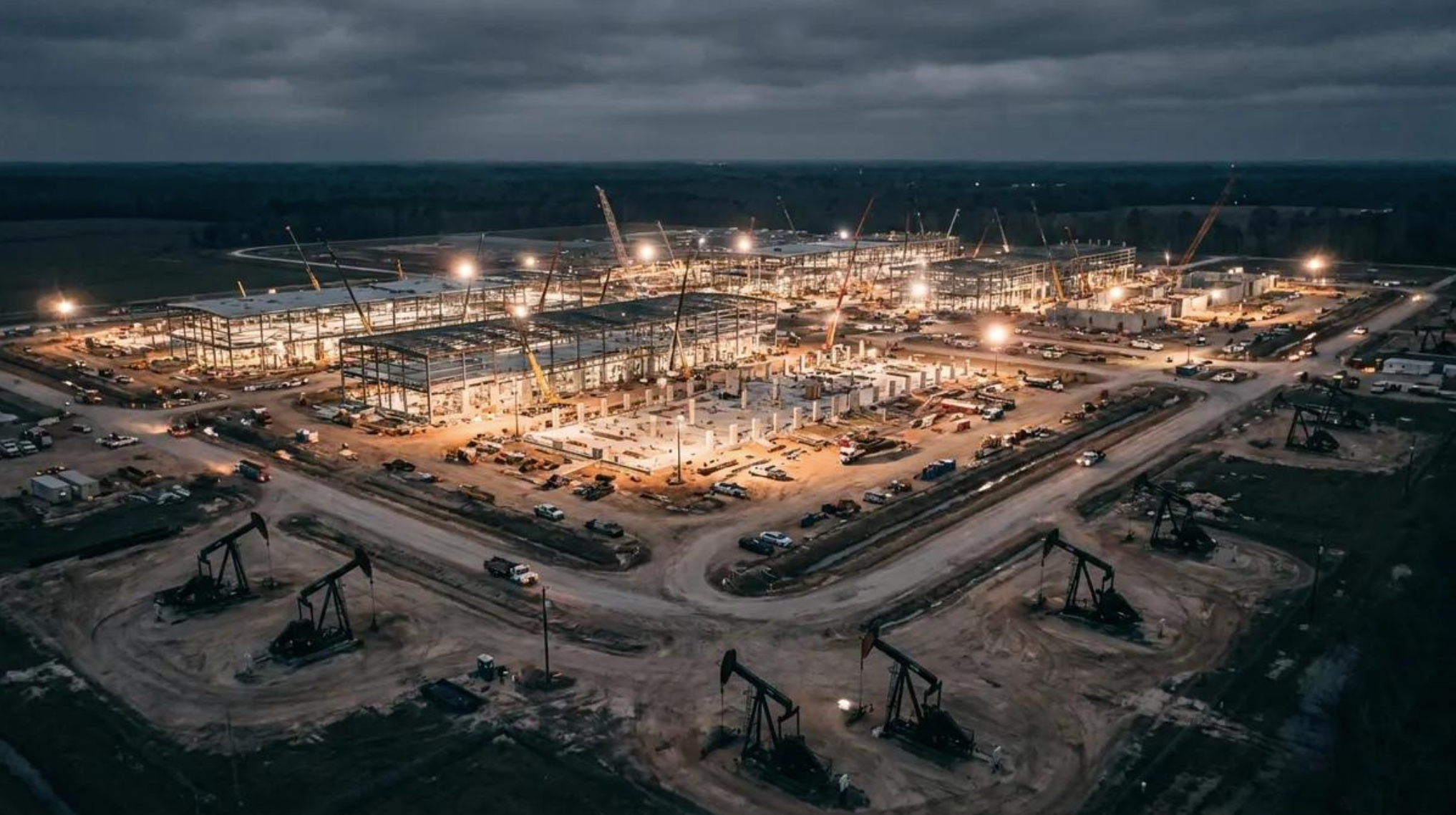
In Louisiana, Meta is developing its massive Hyperion AI campus, representing more than $50 billion in planned investment.
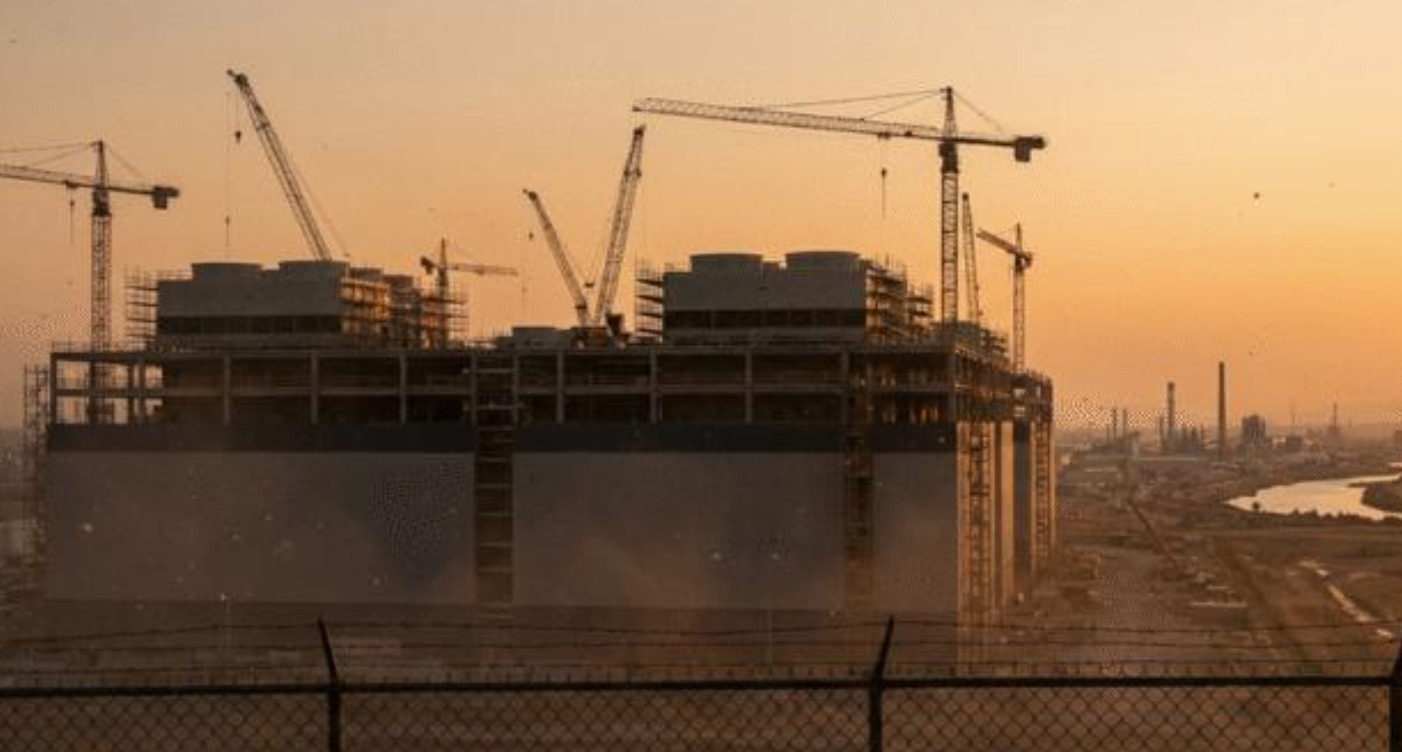
In Pennsylvania, Amazon has announced at least $20 billion in AI and cloud infrastructure investments.
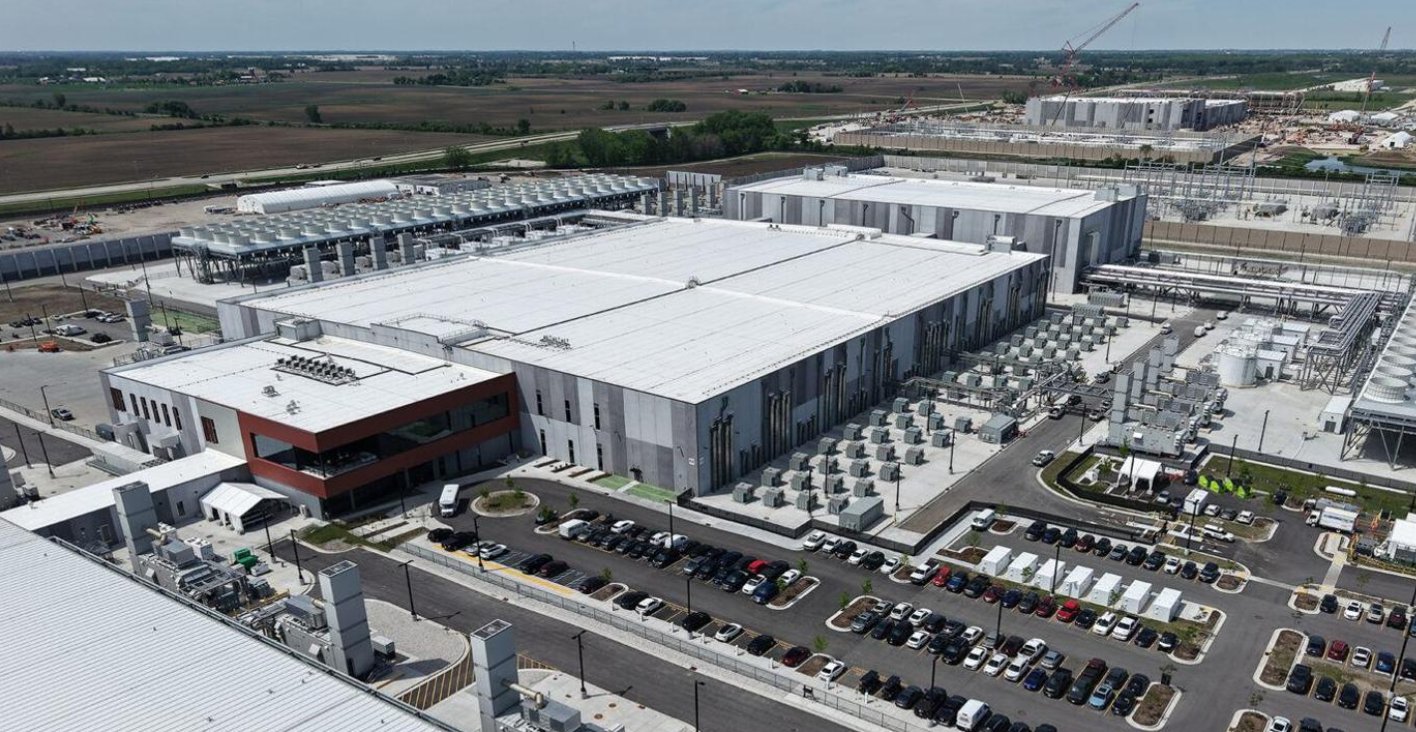
And in Wisconsin, Microsoft is expanding its enormous Fairwater AI computing campus.
These projects represent more than computing capacity.
They represent construction jobs, electrical infrastructure, local tax revenues, skilled-trade employment, and entire ecosystems of suppliers.
And these projects cannot simply be switched off like a light.
Yes, regulators can delay construction. Yes, higher electricity costs can create political opposition.
And yes, expensive financing can force companies to reconsider the economics of certain projects.
Those are legitimate risks.
But I believe the bigger story is being overlooked.
America is competing with China for leadership in what may become the most economically consequential technology of the 21st century.
And whoever controls the computing power, the electricity, the semiconductors, and the infrastructure could enjoy enormous strategic advantages.
That’s why I don’t believe the United States is going to voluntarily surrender its position in the AI race.
The politics may become messier. The permitting may become more complicated.
But the underlying demand isn’t going away.
And eventually, state and local governments will have to confront the economic reality.
You cannot collect property taxes from a data center that was never built.
The Other Side of the MoneyQuake
There’s another reason I’m not abandoning my long-term bullish outlook.
The AI revolution is only one side of the MoneyQuake.
I’ve spent years explaining how two enormous economic transformations are unfolding simultaneously.
The Industrial Twin — AI, electricity, copper, uranium, natural gas, steel, and infrastructure.
And the Monetary Twin — gold, silver, hard assets, and the repricing of money itself.
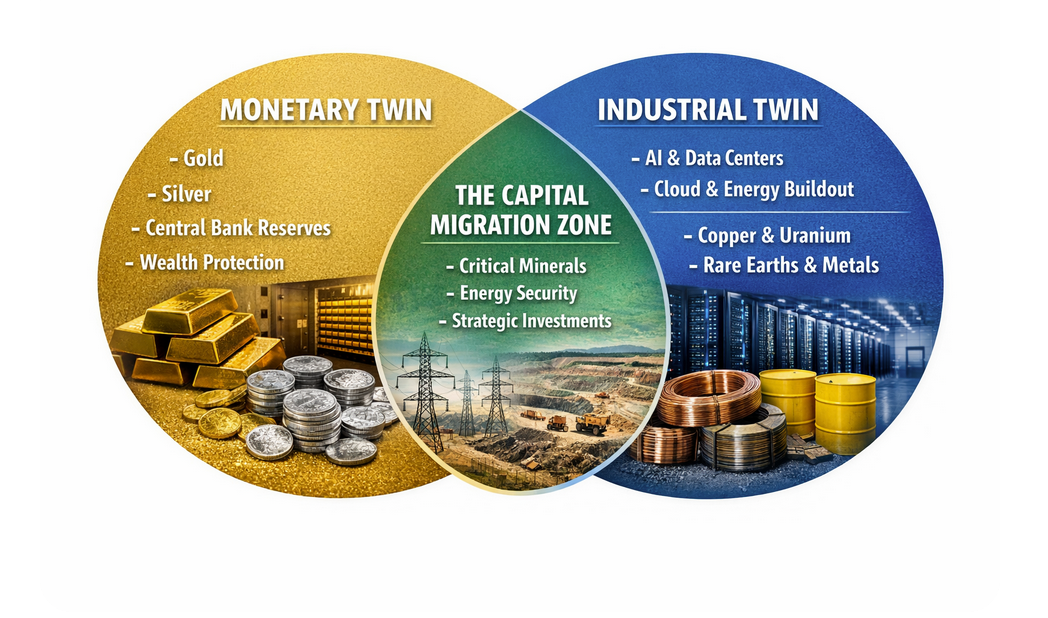
Both remain very much alive.
In fact, the same forces that triggered Thursday’s selloff could eventually create a more favorable environment for both.
Consider Iran.
The war and disruption of energy supplies have helped keep oil prices elevated and inflation fears alive.
That has complicated the Federal Reserve’s ability to lower interest rates.
But a diplomatic breakthrough that restores reliable shipping through the Strait of Hormuz could change that equation.
Lower oil prices could ease inflation.
Lower inflation could create room for interest-rate cuts.
And lower interest rates could support stock valuations, reduce financing costs for infrastructure projects, and strengthen the investment case for precious metals.
Citigroup recently outlined a scenario in which the reopening of Hormuz could shift the Fed’s outlook from additional tightening toward easing, supporting gold prices.
But my long-term targets remain far more ambitious.
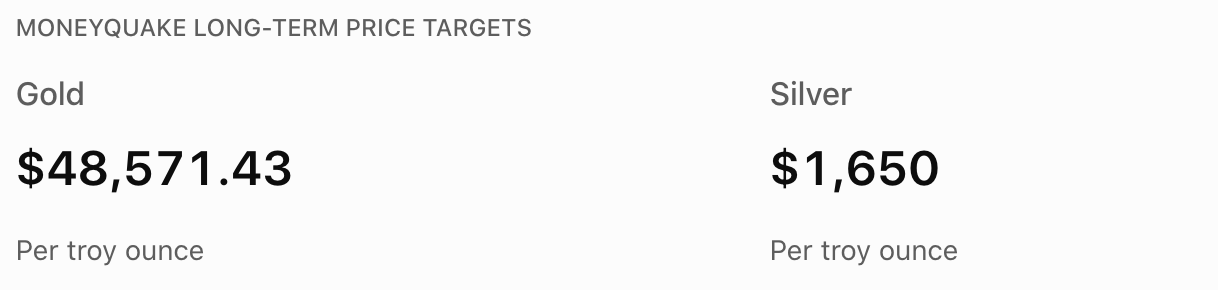
Those targets aren’t based on tomorrow’s Federal Reserve meeting.
They’re based on a decade-long monetary transformation driven by enormous government debts, currency debasement, and the growing importance of hard assets.
And nothing that happened on Wall Street Thursday changes those structural forces.
The Difference Between Panic and Opportunity
Let me share one final thought.
I’ve been investing through market crises since the 1990s.
And every major selloff has taught me something.
The market has an extraordinary ability to make intelligent people behave irrationally.
When stocks are rising, investors convince themselves prices can only go higher.
When stocks are collapsing, those same investors convince themselves prices can only go lower.
Both emotions can be expensive.
That’s why I believe the best investors do something different.
They prepare. They keep liquidity available. They maintain diversified portfolios.
And when extraordinary businesses become available at substantially lower valuations, they investigate whether the investment thesis has actually changed.
That doesn’t mean buying everything that falls.
Some AI companies are overleveraged. Some data center projects may never generate acceptable returns. And some stocks could fall much further before recovering.
Thursday’s collapse may not mark the bottom.
But lower prices can create opportunities for investors who have the patience and financial capacity to withstand more volatility.
I’m particularly interested in the companies supplying the essential infrastructure of the AI revolution.
Electricity generation.
Grid equipment.
Natural gas.
Uranium.
Copper.
Cooling systems.
And the semiconductors that power the world’s most advanced computing systems.
Because regardless of how violently their share prices fluctuate, these industries will remain central to America’s economic future.
The Next Great Buying Opportunity Is Being Born
So where does that leave us?
Three days ago, Wall Street was celebrating.
24-hours after that, investors were terrified.
And next week?
Nobody knows.
But I do know this.
In March 2020, when investors were convinced the world was ending, I urged readers to recognize the opportunity being created by the panic.
I was willing to be early. I was willing to be uncomfortable.
And I was willing to stand against the crowd.
Because the most important investment decisions are rarely the easiest ones.
Nearly seven years later, I find myself looking at another market engulfed in fear.
The headlines have changed. The villains have changed. The technology has changed.
But human psychology hasn’t changed one bit.
The same fear that caused investors to dump extraordinary businesses during COVID is once again driving investors toward the exits.
And while I won’t pretend to know whether Thursday was the bottom, I believe the next generation of extraordinary investment opportunities may be taking shape right before our eyes.
The AI revolution isn’t over.
The industrial buildout isn’t over. The monetary repricing isn’t over.
And the MoneyQuake is certainly not over.
It’s precisely during moments like these that long-term fortunes can begin.
My conviction in the structural bull market remains intact, even if the road to recovery is more volatile than I expected just yesterday.
And if the geopolitical and monetary pieces begin falling into place, I still wouldn’t be surprised to see markets challenge their record highs by December 31, 2026.
As for 2027?
I believe the ingredients for an extraordinary year are still there.
But first, investors have to survive the panic — and recognize the opportunities it may leave behind.
Your herd leader,

Brian Hicks
 Check us out on YouTube!
Brian is a founding member and President of Angel Publishing. He writes about general investment strategies for Wealth Daily and Energy and Capital. Brian is the managing editor and investment director of R.I.C.H Report (Retired Independent Carefree Healthy), New World Assets and Extreme Opportunities. For more on Brian, take a look at his editor’s page.
The Best Free Investment You'll Ever Make
We never spam! View our Privacy Policy
After getting your report, you’ll begin receiving the Wealth Daily e-Letter, delivered to your inbox daily.
Angel Publishing Investor Club Discord - Chat Now
Brian Hicks Premium
Introductory

Advanced


