The Coming WaterQuake: Why America's Next Great Crisis Could Be Measured in Drops, Not Barrels

The next time you fire up the grill for hamburgers, take a closer look at what’s sizzling over the flames.
That burger may soon cost twice — or even three times — the price you remember paying just a few years ago.
And it won’t be because of tariffs, inflation, or the ongoing war in Iran.
The real culprit is unfolding hundreds of miles from the nearest supermarket, on ranches scattered across the American West, where one of America’s oldest ways of life is quietly fighting for survival.
Just after sunrise on a blistering summer morning, Colorado rancher Scott Snyder climbed into his truck for what has become the newest — and most exhausting — job on his family’s ranch.
He wasn’t repairing fences or cutting hay. And he wasn’t moving cattle.
He was hauling water.
Again. And again. And again.
For more than nine grueling hours, Snyder and his family bounced across dusty mesas in three trucks, making eight separate trips while hauling thousands of gallons of water simply to keep roughly 800 cow-calf pairs alive until tomorrow. Not next week. Tomorrow. Every gallon mattered. When precious water splashed onto the ground while filling a stock tank, Snyder instinctively rushed to stop the spill.
“It’s just so much work. I hate dropping any of it,” he admitted.
The stock ponds that had watered cattle for generations had disappeared.
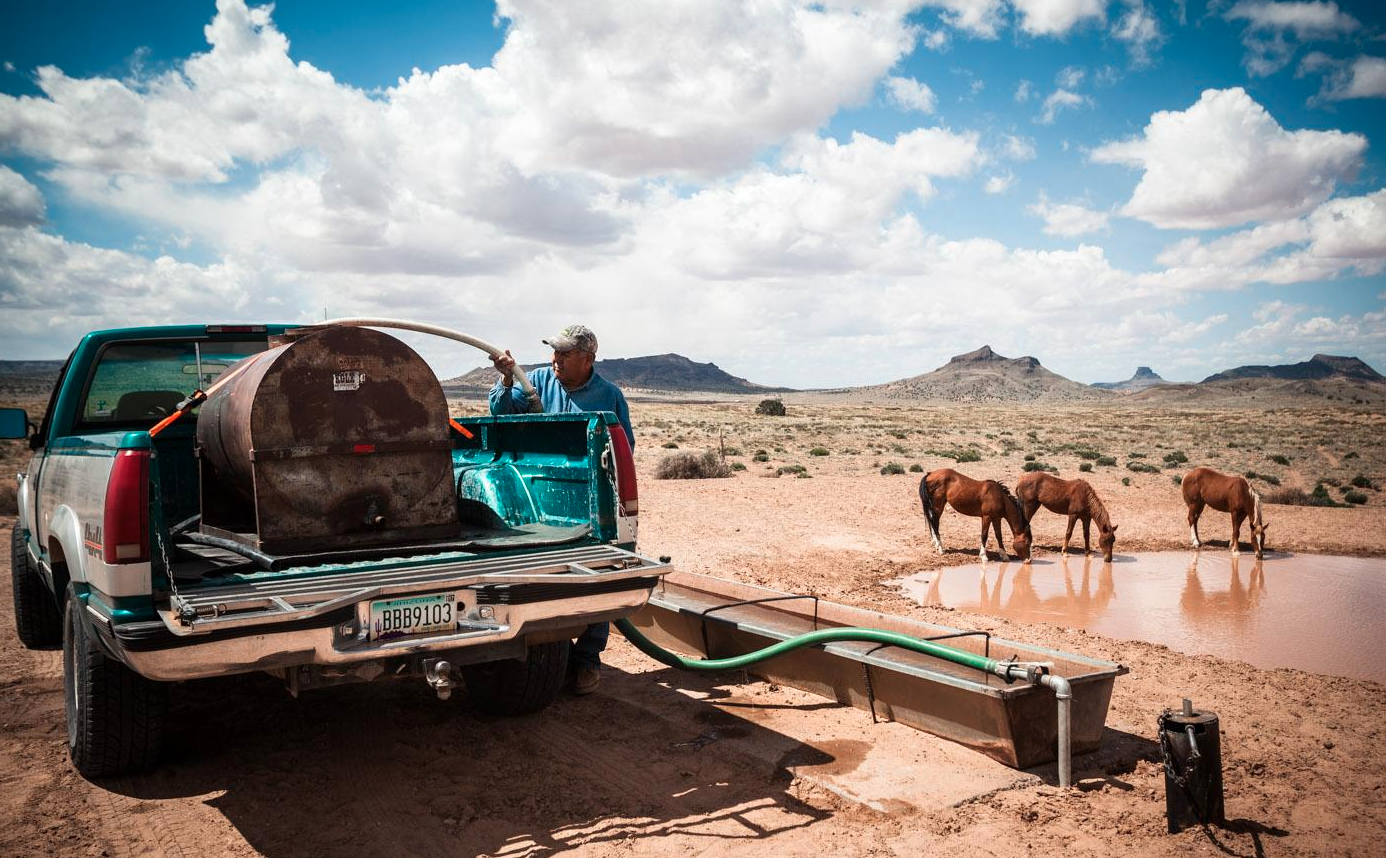
The creeks had stopped flowing.
Water — the one resource no ranch can survive without — was now arriving by truck.
Snyder’s story isn’t unusual anymore.
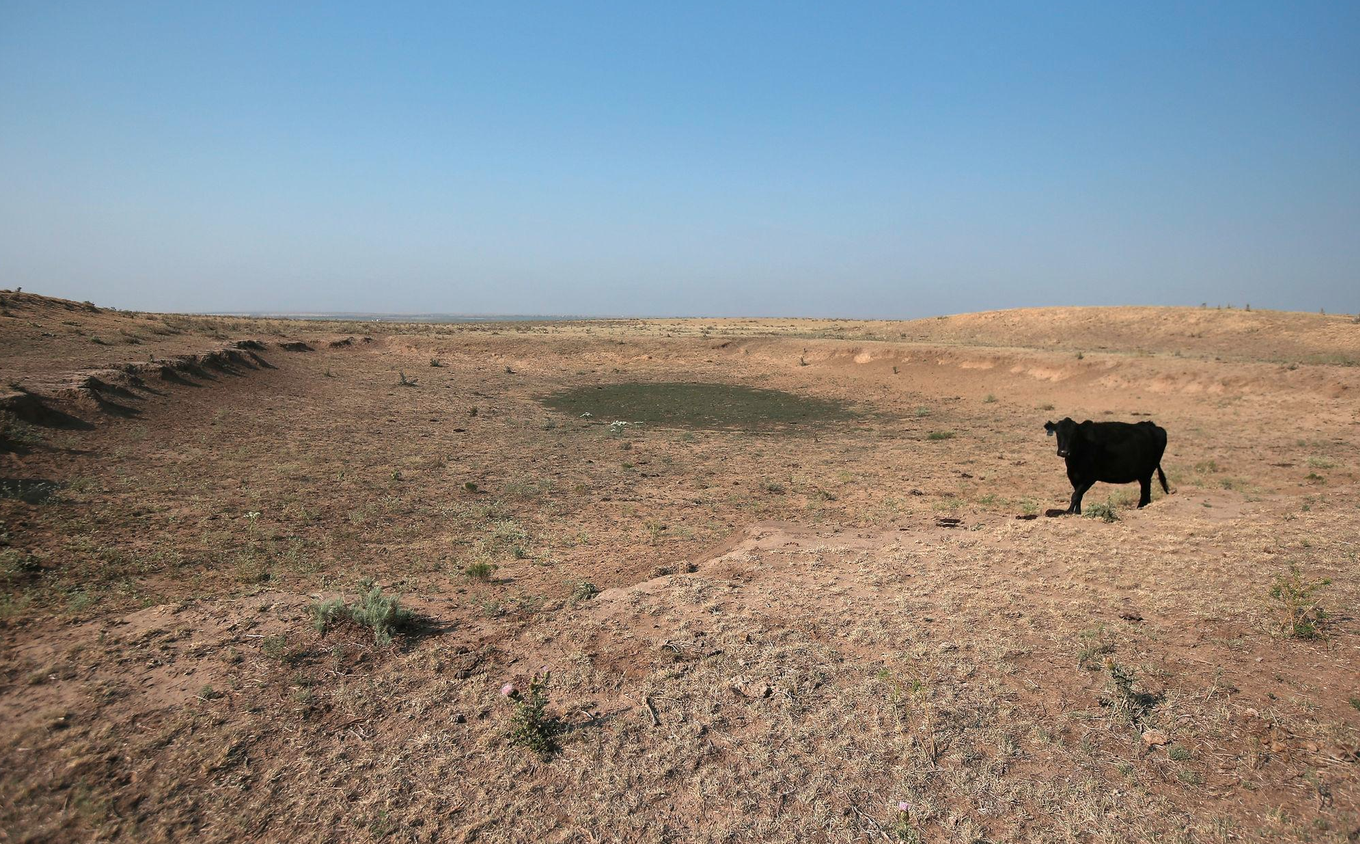
Across Colorado, Wyoming, Texas, Oklahoma, Nebraska, and Kansas, ranchers are making impossible choices. Some are drilling deeper wells. Others are paying record prices for hay. Many are selling cattle they spent decades breeding simply because there isn’t enough grass left to feed them.
And here’s the heartbreaking part.
They’re not just selling cattle.
They’re selling breeding cows. The mothers. The future.
That’s like a farmer eating his seed corn.
It solves today’s problem while guaranteeing tomorrow’s shortage.
Which brings us back to your hamburger.
Tyson Foods recently announced it would close or sell several beef facilities as America’s cattle supply fell to roughly its lowest level in three-quarters of a century. The country’s largest beef processor isn’t shrinking because Americans have stopped eating hamburgers.
It’s shrinking because there simply aren’t enough cattle to process.
At first glance, these appear to be unrelated stories.
A rancher hauling water. Another selling cattle. Tyson closing beef plants. Higher grocery bills.
They’re not. They’re all chapters of the same story.
America is quietly entering one of the greatest infrastructure challenges of the 21st century.
It isn’t the lifeblood of the global economy like oil or electricity.
It’s water.
Water Is the New Oil
For decades, investors have obsessed over energy.
Nearly two decades ago, American innovation in hydraulic fracking in shale oil and gas formations like the Bakken, the Marcellus, and the Permian saved the nation from a disaster.
Those industries created fortunes because they unleashed the resource every modern economy depends upon.
But history has a funny way of changing the bottleneck.
Today, America has no shortage of hydrocarbons.
The United States is the world’s largest producer of oil and natural gas.
Instead, the constraint increasingly looks blue.
Water.
Without it, crops fail. Factories stop. Communities shrink. Power plants struggle.
And now there’s an entirely new customer entering the market.
Artificial intelligence.
You see, AI isn’t just software.
It’s physical.
Every hyperscale data center requires staggering amounts of electricity.
And nearly every one of them requires enormous quantities of water for cooling.
The AI revolution isn’t simply creating demand for semiconductors, turbines, transformers, copper, steel, cement, and natural gas.
It’s creating demand for water.
Researchers are increasingly warning that the environmental footprint of AI data centers includes not only electricity consumption, but also growing pressure on local water resources, making water availability an increasingly important factor in where future facilities can be built.
Think about that for a moment.
At the very same time America is experiencing expanding drought conditions…
We’re racing to build thousands of new AI facilities that also need reliable water supplies.
That’s not a coincidence. That’s a collision.
The Colorado River Is Sending a Warning
No river better illustrates America’s water dilemma than the Colorado.
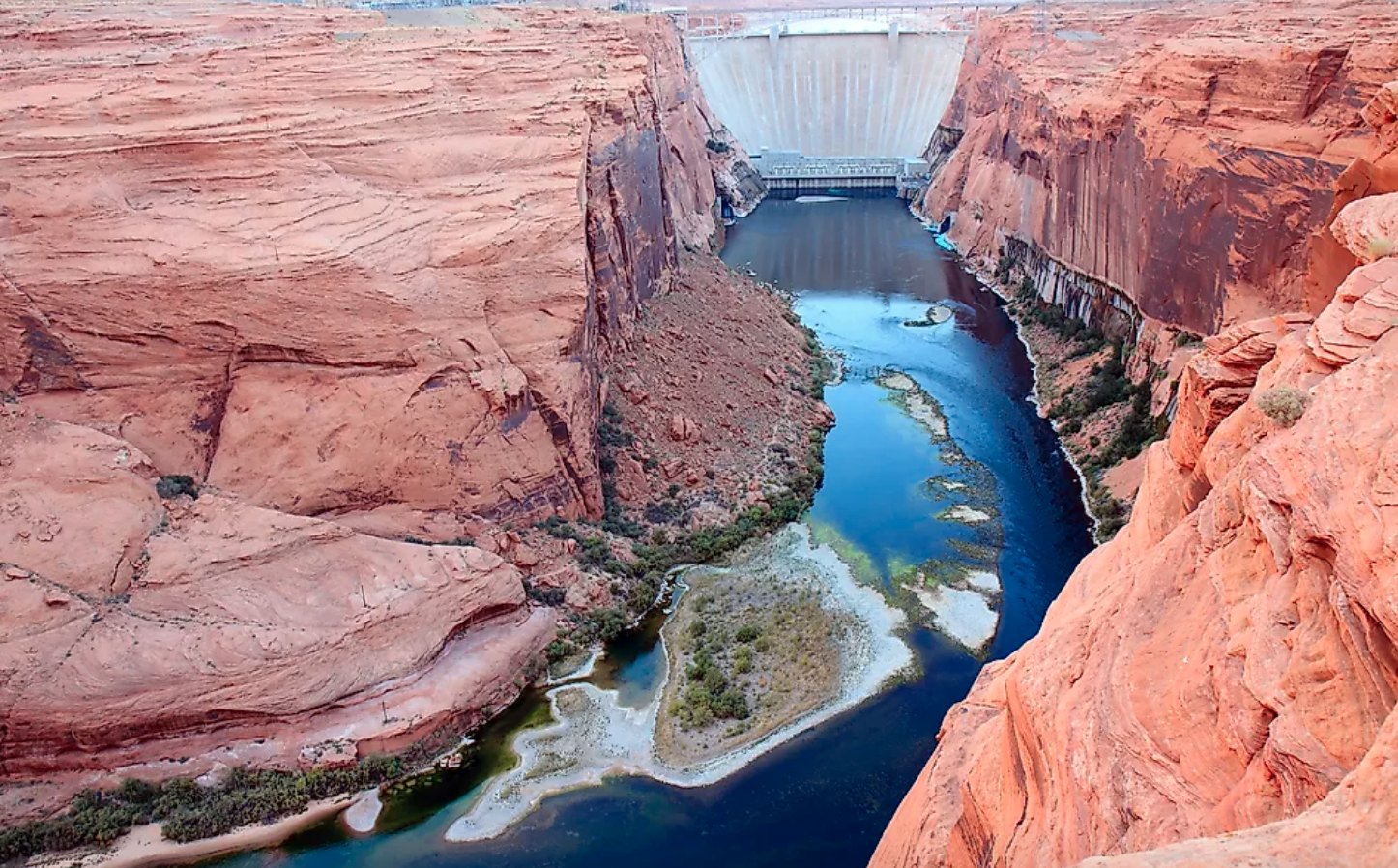
The river supplies water to roughly 40 million people.
It irrigates millions of acres of farmland. It powers hydroelectric dams. It supports cities from Denver to Los Angeles to Phoenix to Las Vegas.
Yet the basin continues to operate under extraordinary stress after years of drought and declining reservoir levels, forcing policymakers to rethink how the river will be managed in the years ahead.
Now layer AI on top of that. In addition to every new factory, growing cities, infrastructure projects, and farms and ranches.
They all compete for the same finite resource.
Water.
This is why water is rapidly becoming one of America’s most strategic assets.
Fortunes Have Always Followed Infrastructure
Here’s something investors often forget.
The biggest fortunes rarely come from identifying the problem.
They come from identifying the solution.
When America electrified… utilities won.
When automobiles exploded… road builders, steel producers, and oil companies won.
When the internet arrived… fiber-optic companies and data centers won.
Today we are watching another infrastructure transition unfold.
The question isn’t whether America needs more water.
The question is how America will move it… store it… recycle it…
And deliver it where it’s needed most.
That’s where companies like Cadiz enter the conversation.
Cadiz Isn’t Selling Water. It’s Building Infrastructure.
Many people misunderstand Cadiz.
They assume it’s simply a water company.
It’s much more accurate to think of it as a water infrastructure company.
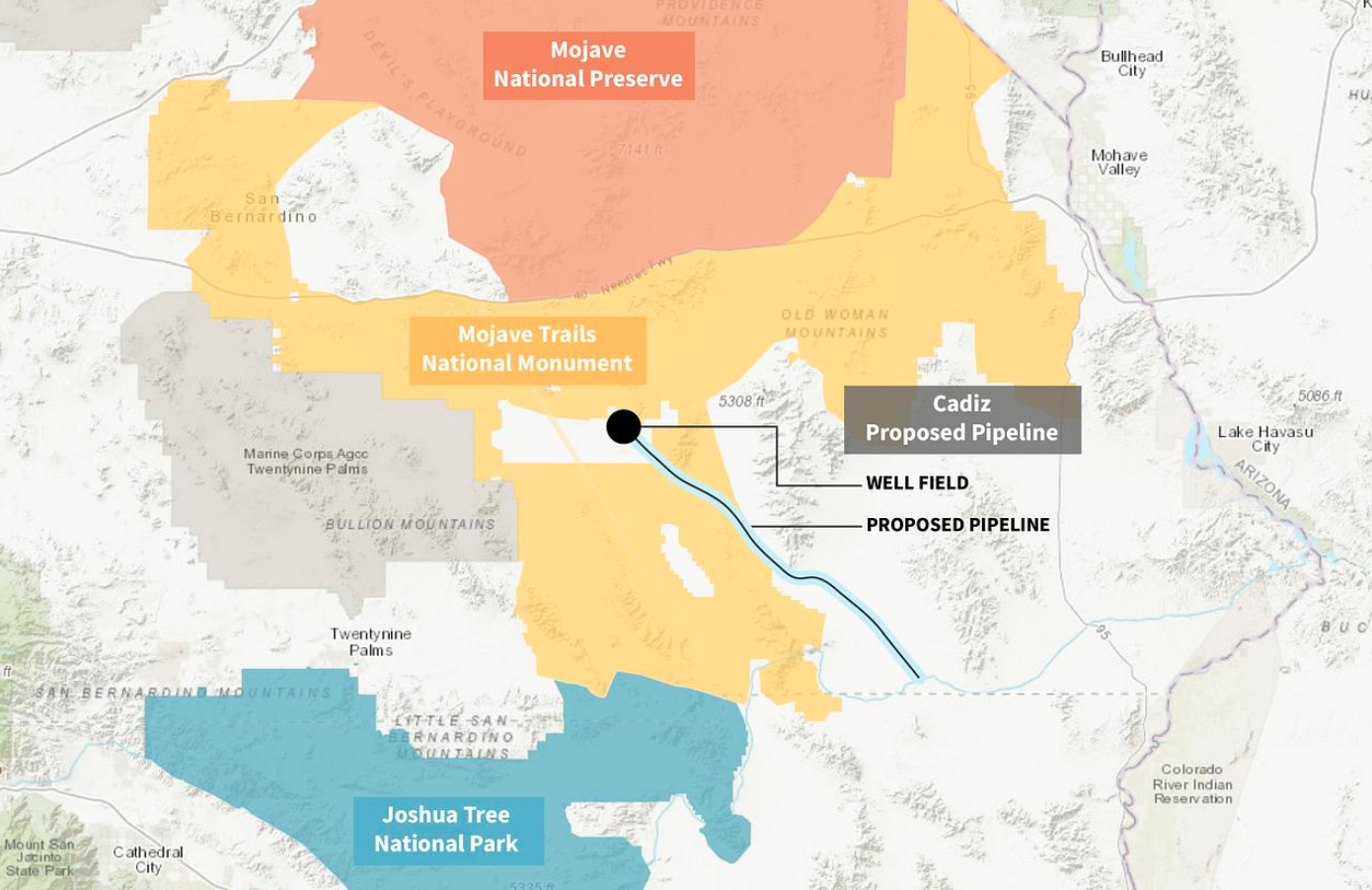
Located in California’s Mojave Desert, Cadiz has spent years developing groundwater storage, conveyance, and pipeline assets designed to improve water reliability for communities throughout Southern California.
Its Northern Pipeline project is intended to connect existing infrastructure and create new pathways for moving water where demand continues to grow.
Earlier this year, the Environmental Protection Agency invited Cadiz to submit an application for up to $194 million through the Water Infrastructure Finance and Innovation Act (WIFIA) program — a federal financing initiative created to help fund major water projects.
That matters.
Washington doesn’t extend those invitations casually.
It reflects growing recognition that America’s water infrastructure needs enormous investment.
Cadiz has also attracted interest from private capital while positioning its groundwater banking strategy as a way to improve resilience during prolonged droughts.
Supporters argue that storing excess water during wet years and making it available during dry periods could become increasingly valuable as climate variability and population growth place greater pressure on supplies. Critics, however, contend that groundwater withdrawals could affect fragile desert ecosystems and springs, and some tribal leaders and environmental organizations have opposed aspects of the project.
Those debates are likely to continue, but they underscore an important point: Water infrastructure has become strategically significant enough to spark major public policy battles.
Whether every Cadiz proposal ultimately succeeds isn’t the broader investment lesson.
The lesson is that America is entering a decades-long build-out of water infrastructure.
- Pipelines
- Groundwater banking
- Storage
- Treatment
- Recycling
- Desalination
- Leak detection
- Smart water networks
Those are the picks and shovels of the next great infrastructure boom.
The Next MoneyQuake
For months, I’ve written that the MoneyQuake isn’t one trend.
It’s many.
Artificial intelligence. Energy. Critical minerals. Electric grids. Manufacturing.
Now add another.
Water.
Because every one of those other trends depends upon it.
No copper mine operates without water. No semiconductor fab operates without water. No AI campus operates without water. No city grows without water. No ranch survives without water.
And no economy prospers if one of its most essential resources becomes increasingly scarce.
The rancher hauling water across a dusty Colorado pasture isn’t just fighting a drought.
He’s giving investors a glimpse of the future.
The same way the first oil pipelines foreshadowed the petroleum age…
And the first fiber-optic cables foreshadowed the internet…
America’s next great infrastructure story may already be unfolding beneath our feet.
It’s measured not in barrels but in gallons.
Because the next great American boom won’t simply be about producing more water.
It will be about moving it, storing it, protecting it, and delivering it to the places — and industries — that cannot survive without it.
The WaterQuake has already begun.
And, as with every great infrastructure revolution before it, the biggest winners won’t necessarily be the people who consume the resource.
They’ll be the companies that make it possible to get it where it’s needed most.
Get to the good, green grass first…
The Prophet of Profit,

Brian Hicks
 Check us out on YouTube!
Brian is a founding member and President of Angel Publishing. He writes about general investment strategies for Wealth Daily and Energy and Capital. Brian is the managing editor and investment director of R.I.C.H Report (Retired Independent Carefree Healthy), New World Assets and Extreme Opportunities. For more on Brian, take a look at his editor’s page.
The Best Free Investment You'll Ever Make
We never spam! View our Privacy Policy
After getting your report, you’ll begin receiving the Wealth Daily e-Letter, delivered to your inbox daily.
Angel Publishing Investor Club Discord - Chat Now
Brian Hicks Premium
Introductory

Advanced


