The Greenland Gold Rush Has a Big Problem

There’s an old saying in the mining industry that a mine is a hole in the ground with a liar standing next to it.
And that may sound a little harsh, but there’s a reason the saying has survived for more than a century…
Finding valuable minerals and making money selling them are two very different things.
And investors who forget that distinction can find themselves in serious trouble.
Just look at what happened on Wall Street this week.
Following President Trump’s announcement of a new agreement between the United States, Denmark, and Greenland, shares of companies with interests in the enormous Arctic island absolutely exploded.
On Monday, September 21, Critical Metals (NASDAQ: CRML) surged around 39%. Greenland Mines (NASDAQ: GRML) skyrocketed more than 230%.
Even Greenland Energy (NASDAQ: GLND), a company pursuing oil rather than critical minerals, jumped 139%.
Those are extraordinary single-day gains. But here’s the really interesting part…
The agreement didn’t give a single mining company permission to dig a single additional ounce of anything out of Greenland.
What Trump’s Greenland Deal Actually Does
The United States has maintained an extensive defense agreement with Denmark covering Greenland since 1951.
The new agreement expands that relationship, authorizing additional American military facilities, strengthening Arctic security, and establishing a framework for future missile-defense operations.
But there’s another provision that has mining investors particularly excited…
The agreement specifically addresses foreign investments in strategically sensitive Greenlandic industries, including critical mineral extraction.
Essentially, it introduces restrictions that could make it considerably more difficult for Chinese companies to acquire strategically important mineral assets in Greenland.
That could improve the competitive environment for American mining companies and potentially encourage additional American investment.
However, the agreement doesn’t grant American companies preferential mining rights, accelerate environmental approvals, or guarantee government financing.
It also preserves Danish sovereignty and Greenlandic self-determination. And it still requires parliamentary procedures before entering into force.
In other words, the deal could make Greenland’s mineral resources more strategically attractive to American investors…
But it doesn’t make those resources any easier to extract.
Greenland’s Billion-Dollar Problem
There’s no disputing that Greenland possesses extraordinary mineral wealth…
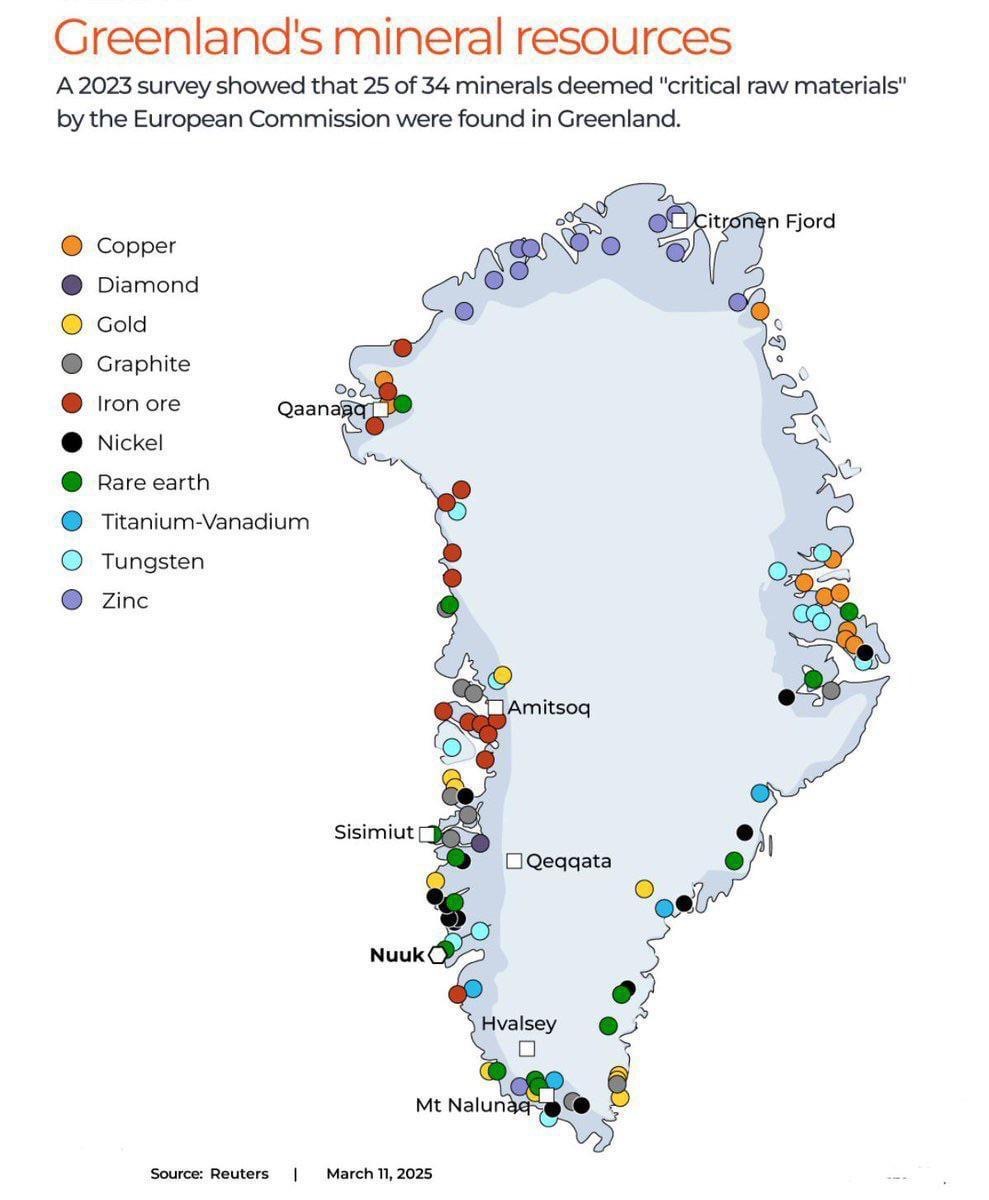
Unfortunately, it’s also an exceptionally difficult place to build and operate a mine..
Much of the island is covered by ice. Transportation infrastructure is limited.
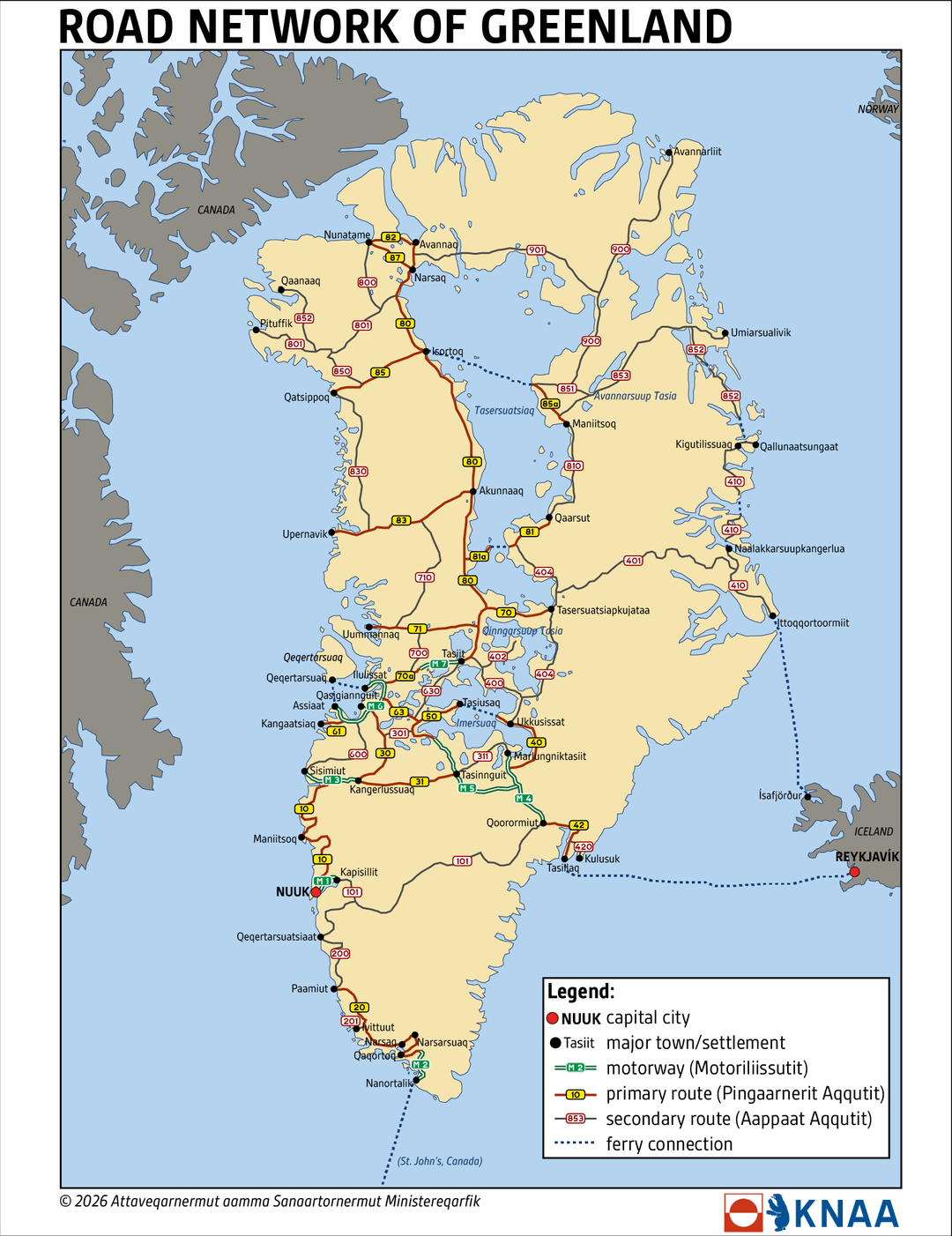
Extreme weather and seasonal shipping restrictions complicate practically everything.

Mining companies frequently need to construct roads, ports, power plants, and other expensive infrastructure that would already exist in established mining regions.
And then there’s the regulatory environment…
Greenland requires extensive environmental and social impact assessments, public consultations, and detailed operating plans.
Companies must also address local employment, community participation, environmental protections, and eventual mine closures.
These aren’t requirements that disappear once a company discovers a commercially attractive mineral deposit.
Even obtaining an exploitation license doesn’t necessarily mean a company can immediately begin commercial production.
Additional operational approvals and infrastructure investments may still be necessary.
And Greenland has demonstrated its willingness to restrict mining activities.
Its uranium mining restrictions have complicated the development of certain rare earth deposits containing radioactive materials.
Consider Critical Metals, which controls the enormous Tanbreez rare earth project in southern Greenland…
The company has already secured an exploitation license.
That’s meaningful progress, but substantial development work remains before Tanbreez can become a commercial producer.
Meanwhile, Greenland Mines is advancing its Sarfartoq rare earth project and Skaergaard deposit.
Both companies possess assets that could become increasingly important to Western mineral security.
But neither received new mining permits, direct financing, or permission to bypass Greenland’s regulatory requirements under the September agreement.
And neither has escaped the enormous expenses and logistical challenges associated with Arctic mining.
Meanwhile, Other Companies Are Already Selling the Stuff
While Wall Street was celebrating the possibility of future mineral production in Greenland, established Western companies were already extracting minerals, processing them, and selling products into global supply chains.
Take MP Materials (NYSE: MP)…
Its Mountain Pass operation in California is already producing rare earth materials, and the company has expanded into separation and downstream magnet manufacturing.
During the second quarter of 2026, MP produced 840 metric tons of neodymium-praseodymium oxide and recorded $108.5 million in consolidated revenue.
That’s actual commercial production and revenue rather than projected sales from a deposit that might become operational several years from now.
The Best Free Investment You’ll Ever Make
Join Wealth Daily today for FREE. We’ll keep you on top of all the hottest investment ideas before they hit Wall Street. Become a member today, and get our latest free report: “Guardians of Growth: 3 Defense Contractors for Savvy Investors.”
It contains full details on the three companies that are set to provide explosive growth in the defense sector over the next Decade.
After getting your report, you’ll begin receiving the Wealth Daily e-Letter, delivered to your inbox daily.
Then there’s Energy Fuels (NYSE: UUUU)…
Energy Fuels already operates uranium mines and the White Mesa Mill in Utah, where it’s developing an increasingly important rare-earth processing business.
The company is also expanding its heavy rare-earth processing capabilities while establishing additional international sources of raw materials.
Its Donald mineral sands joint venture in Australia has received the major regulatory approvals required for its initial phase.
The project still needs financing and a final investment decision, but Energy Fuels already possesses American processing infrastructure that new mining ventures would have to spend years developing.
And, since we already mentioned it, we shouldn’t overlook Australia…
Established producers like Lynas Rare Earths (ASX: LYC) operate existing mines and processing facilities that supply strategically important materials to Western and allied economies.
These companies face their own challenges, including operating costs, commodity price volatility, expansion expenses, and regulatory requirements.
But they’ve already accomplished something that many Greenlandic developers haven’t.
They’ve established commercial mining or processing operations.
There’s also an opportunity between these two extremes…
Developers in established mining jurisdictions, particularly those with important permits secured and access to existing infrastructure, can offer exposure to new production without necessarily confronting Greenland’s extraordinary logistical challenges.
Australia’s Donald project is just one example.
Now, that doesn’t make Australia, Canada, or the United States universally permissive mining jurisdictions.
Projects in all three countries can encounter lengthy regulatory reviews and environmental opposition.
Two Ways to Play the Same Supercycle
And that brings us to an interesting situation…
We’re looking at two very different opportunities emerging from the same enormous investment trend.
On one side are Greenland’s mineral developers…
Their shares have demonstrated how dramatically geopolitical developments can influence investor expectations.
Additional diplomatic agreements, government financing, infrastructure announcements, and commercial partnerships will likely generate further excitement.
And there’s certainly potential for more headline-driven rallies.
That being said, those companies still face substantial regulatory, logistical, financial, and operational obstacles before their deposits can generate meaningful commercial revenue.
On the other side are established Western producers and advanced developers…
Some are already extracting and selling critical minerals.
Others have secured significant regulatory approvals or are developing projects capable of supplying existing processing facilities.
Their businesses are exposed to many of the same long-term forces attracting investors to Greenland…
Western efforts to reduce dependence on China, growing military requirements, electrification, and the expansion of advanced manufacturing.
But their operational maturity and development risks are very different.
Of course, neither opportunity guarantees investors a profit.
Even established producers can suffer from falling commodity prices, rising costs, disappointing earnings, or excessive stock valuations.
And speculative developers sometimes deliver extraordinary returns when promising deposits finally become profitable mines.
The important thing is understanding which opportunity you’re actually buying.
Because a mineral discovery, a geopolitical agreement, and a functioning mining operation are three entirely different things.
And ultimately, the critical minerals supercycle won’t be sustained by headlines alone.
It’ll require companies capable of delivering the materials the world needs.
So what exactly are investors celebrating?
And that’s the fundamental problem with treating a geopolitical agreement as though it were a commercial breakthrough.
But an advanced project with important approvals secured presents a completely different proposition from a remote Arctic deposit requiring an entirely new infrastructure network.
To your wealth,

Jason Williams
 @TheReal_JayDubs
 Angel Research on Youtube
After graduating Cum Laude in finance and economics, Jason designed and analyzed complex projects for the U.S. Army. He made the jump to the private sector as an investment banking analyst at Morgan Stanley, where he eventually led his own team responsible for billions of dollars in daily trading. Jason left Wall Street to found his own investment office and now shares the strategies he used and the network he built with you. Jason is the founder of Main Street Ventures, a pre-IPO investment newsletter; the founder of Future Giants, a nano cap investing service; and authors The Wealth Advisory income stock newsletter. He is also the managing editor of Wealth Daily. To learn more about Jason, click here.
Want to hear more from Jason? Sign up to receive emails directly from him ranging from market commentaries to opportunities that he has his eye on.
The Best Free Investment You'll Ever Make
We never spam! View our Privacy Policy
After getting your report, you’ll begin receiving the Wealth Daily e-Letter, delivered to your inbox daily.
Angel Publishing Investor Club Discord - Chat Now
Jason Williams Premium
Introductory

Advanced


