Greenland Just Became Ground Zero for the MoneyQuake

Something extraordinary happened on Wall Street Monday.
A tiny group of stocks connected to one of the coldest, most isolated, and least-developed places on Earth suddenly caught fire.
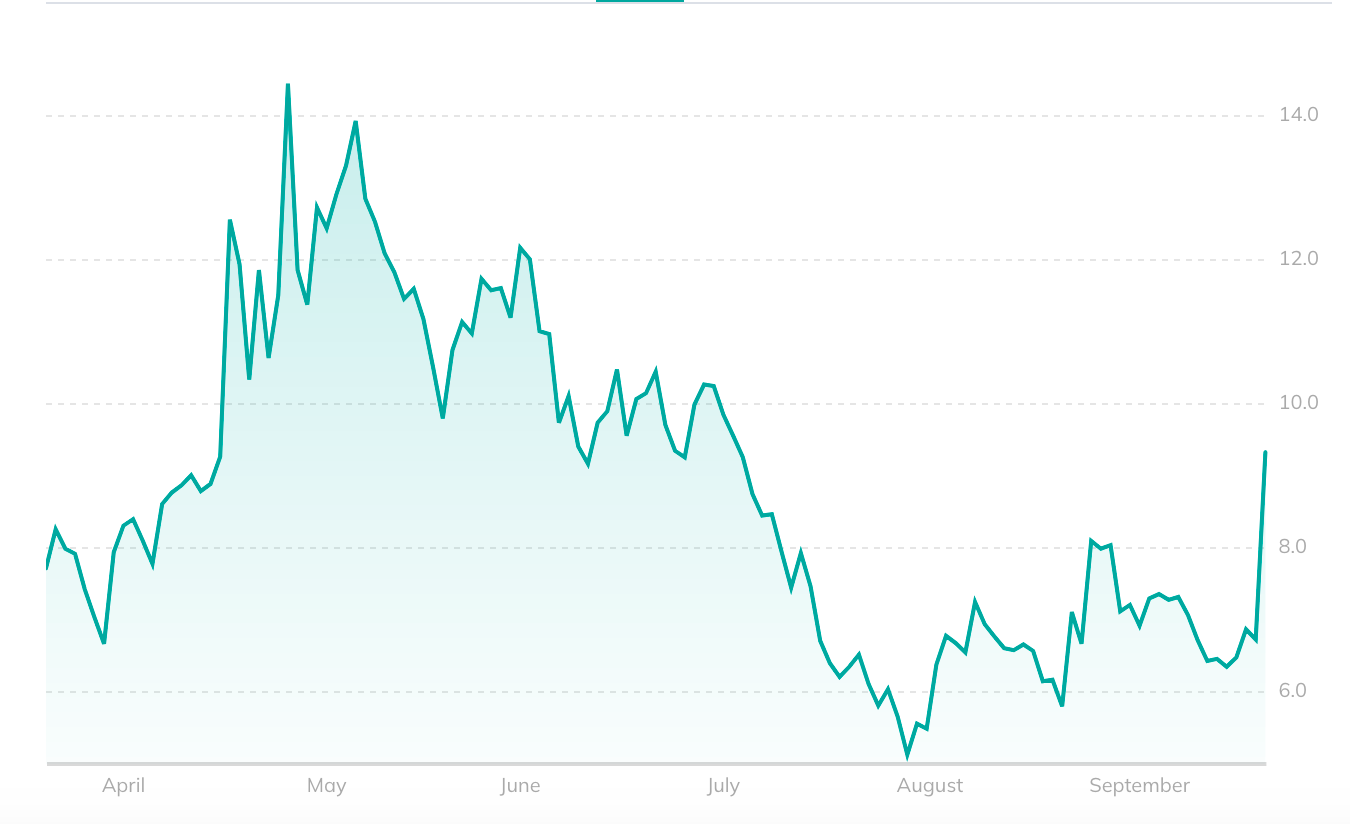
Greenland Mines shot up roughly 230%.
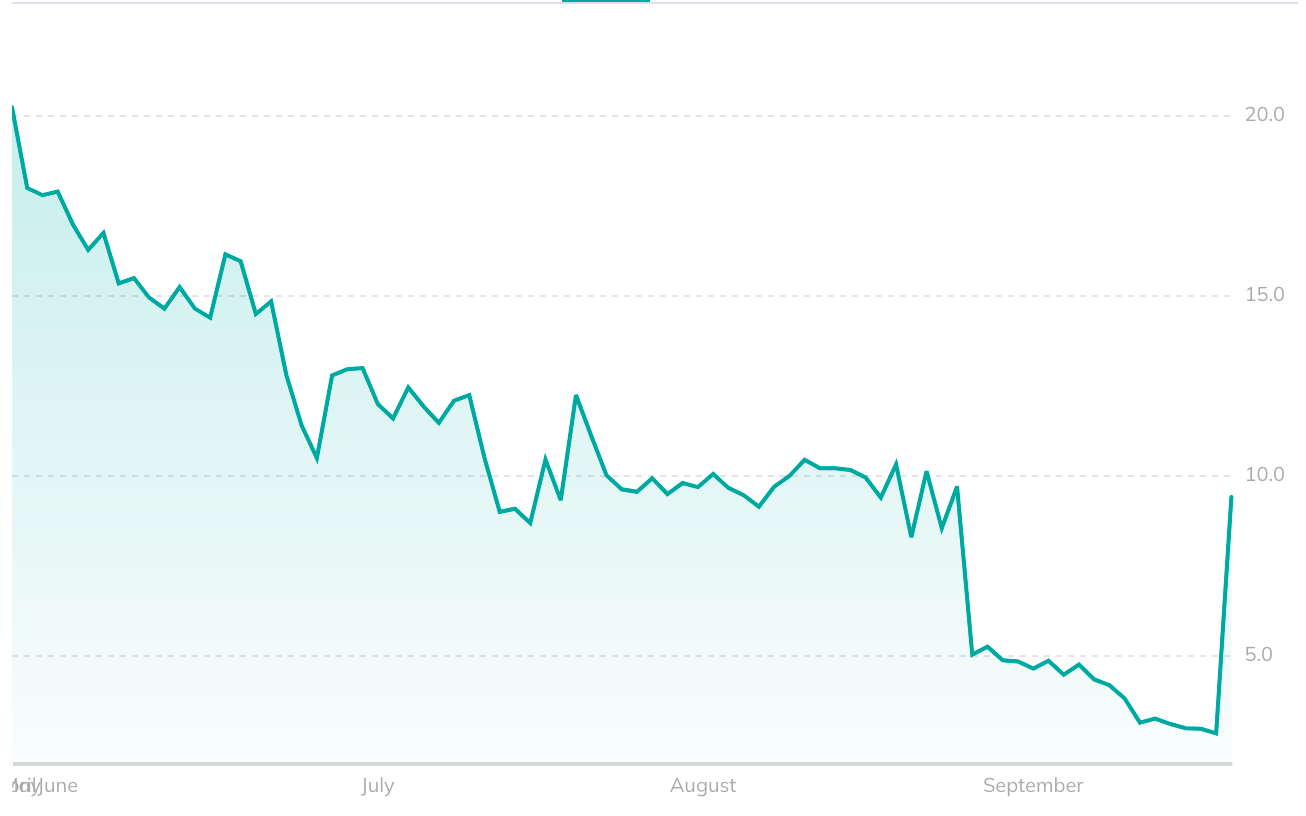
Greenland Energy soared about 140%.
Critical Metals jumped nearly 39%.
Think about that.
Billions of dollars of market value were being created — almost overnight — because investors suddenly realized something I’ve been telling you for quite some time…
The next great global resource race has already begun.
And Greenland may have just moved toward the center of it.
President Donald Trump announced last Friday that the United States, Denmark, and Greenland had reached a sweeping new security agreement covering the massive Arctic island. Trump described the arrangement as giving America permanent security access. Denmark and Greenland have emphasized that sovereignty and Greenland’s right to self-determination remain intact. The agreement is expected to dramatically expand the American military footprint on the island.
But Wall Street heard something else.
Minerals. Rare earths. Strategic metals. Defense. Artificial intelligence. Energy. Infrastructure.
In other words…
The World’s Biggest Piece of Strategic Real Estate
Pull up a map.
Greenland sits astride the Arctic and North Atlantic, directly between North America and Europe.
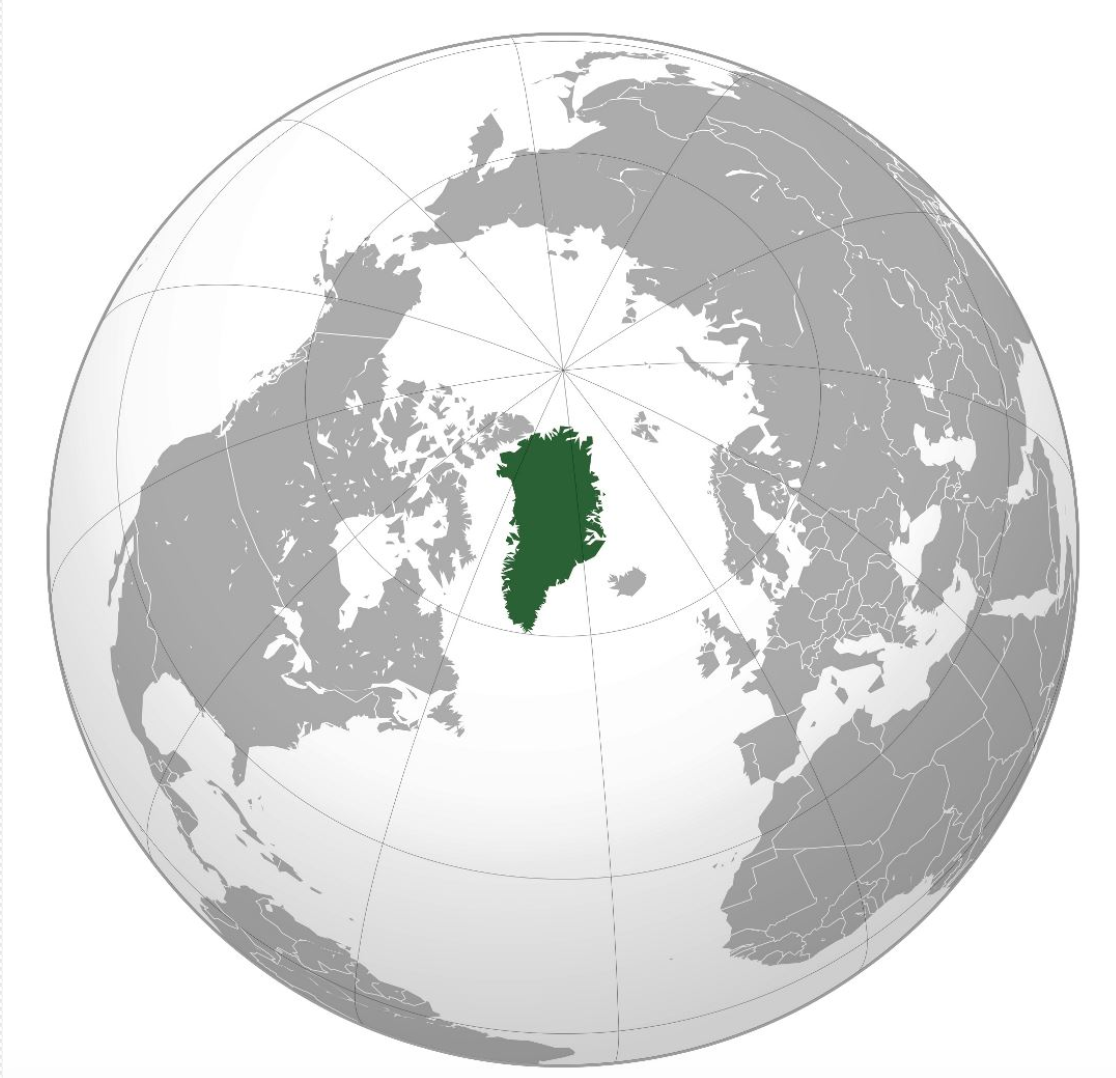
Russia is on one side of the Arctic.
North America is on the other.
China has spent years trying to expand its economic reach into strategic mineral supply chains around the world.
And underneath Greenland’s ice, mountains, and rock lies a potentially enormous collection of natural resources.
I’m talking about…
- Rare earth elements
- Graphite
- Tungsten
- Copper
- Zinc
- Gold
- Vanadium
- Palladium
- Uranium
And more.
The U.S. Geological Survey (USGS) estimates Greenland holds approximately 1.5 million metric tons of rare-earth reserves. Yet despite that geological potential, Greenland currently produces essentially no rare earths.
That is the opportunity.
But it’s also the problem.
Because America desperately needs these materials.
USGS data show just how exposed the United States remains. Rare-earth compounds and metals have historically carried very high import dependence, with China representing a substantial portion of American consumption. Rare earths are only one part of the problem: China is also an important source for materials including graphite, antimony, and other minerals vital to advanced manufacturing and defense.
These aren’t obscure rocks collectors put in display cases.
The Best Free Investment You’ll Ever Make
Join Wealth Daily today for FREE. We’ll keep you on top of all the hottest investment ideas before they
hit Wall Street. Become a member today, and get our latest free report: “Why You Need to Fire Your Money
Manager.”
It contains full details on why money managers are overpaid and provides you with
tools for growing your wealth.On your own terms. No fees, no commission.
They are ingredients in the modern economy.
Those minerals are used in…
- Permanent magnets
- Electric motors
- Missile guidance systems
- Fighter aircraft
- Robotics
- Data centers
- Semiconductors
- Power infrastructure
- Electric vehicles
- Wind turbines
- Advanced weapons systems
The physical machinery of the AI revolution requires an enormous industrial foundation underneath it.
No minerals. No machines.
No machines. No AI revolution.
And that’s precisely where Greenland collides with our MoneyQuake thesis.
I’ve Been Calling Them the Conjoined Twins
I’ve described MoneyQuake as two enormous economic transformations joined together.
The first is the monetary transformation — gold, silver, Bitcoin, tokenization, digital assets, and the restructuring of the global financial system.
The second is the physical transformation.
AI. Data centers. Power plants. Transmission lines. Nuclear energy. Defense. Infrastructure.
The first MoneyQuake changes what money is.
The second changes what the world is built from.
Greenland sits directly in the path of that second quake.
And Washington knows it.
The Trump administration has already made critical minerals a strategic priority. EXIM announced Project Vault, a strategic critical-minerals reserve backed by up to $10 billion in approved financing intended to protect American manufacturers against supply disruptions.
This isn’t some theoretical policy paper gathering dust in Washington.
Capital is moving.
The government is moving.
And now the market is moving.
Follow the Money to Tanbreez
Perhaps the most interesting Greenland story right now is Critical Metals Corp. (NASDAQ: CRML).
Critical Metals controls the Tanbreez rare-earth project in southern Greenland, considered one of the world’s largest known rare-earth deposits.
The project contains an estimated 45 million tons of mineralized material, with a particularly important concentration of heavy rare earth elements.
Those heavy rare earths matter because they are exceptionally difficult to replace in some high-performance technologies.
Critical Metals has also signed a 10-year agreement to supply rare-earth concentrate from Tanbreez to Ucore Rare Metals’ U.S. government-supported processing facility in Louisiana. The company has previously received a letter of interest from the U.S. Export-Import Bank for up to $120 million in financing connected to Tanbreez’s development.
And Reuters previously reported that Trump administration officials had discussed taking an equity stake in Critical Metals itself — potentially giving Washington a direct financial interest in Greenland’s mineral development.
Now look at what happened Monday.
CRML jumped nearly 39%.
Greenland Energy surged roughly 140%.
Greenland Mines exploded approximately 230%.
That doesn’t mean every one of these companies suddenly became three times more valuable fundamentally.
In fact, that’s precisely the point investors need to understand.
The new security agreement did not suddenly hand these companies mining permits, financing packages, or guaranteed production contracts. Greenland’s brutal climate, environmental restrictions, infrastructure limitations, permitting requirements, and enormous capital needs haven’t magically disappeared.
What changed was something different.
Perception of strategic value.
Wall Street suddenly attached a much larger geopolitical premium to owning assets in Greenland.
This Is Bigger Than Greenland
That’s the real story.
Trump’s Greenland agreement isn’t just about military bases.
And it certainly isn’t just about an enormous frozen island most Americans will never visit.
It is another piece of a much larger economic realignment.
For decades, America outsourced manufacturing.
Then it outsourced processing. Then it allowed strategic mineral supply chains to migrate overseas.
That arrangement works beautifully — until geopolitics gets involved.
Then suddenly the cheapest supplier isn’t necessarily the safest supplier.
The lowest-cost mine isn’t necessarily the most valuable mine.
And a mineral deposit sitting beneath frozen rock thousands of miles away can suddenly become a matter of national security.
That’s the MoneyQuake.
We’re watching governments rediscover an economic truth civilizations have understood for thousands of years…
Power ultimately belongs to whoever controls the resources required to build the future.
Yesterday that meant oil.
Today it means oil plus uranium, copper, silver, antimony, tungsten, graphite, gallium, rare earths, and dozens of other strategic materials.
Tomorrow it could mean something even bigger.
Which is why I wouldn’t look at Greenland as an isolated trade.
I’d look at it as another flashing signal.
Project Vault.
FAST-41.
Government investments in mining companies.
Rare-earth supply agreements. Defense spending.
And now Greenland.
They’re not separate stories.
They’re chapters of the same story.
The industrial half of the MoneyQuake is accelerating.
And this week, Wall Street finally looked north…
and saw what we’ve been watching all along.
The rocks beneath our feet are becoming some of the most strategically valuable assets on Earth.
Get to the good, green grass first…
The Prophet of Profit,

Brian Hicks
 Check us out on YouTube!
Brian is a founding member and President of Angel Publishing. He writes about general investment strategies for Wealth Daily and Energy and Capital. Brian is the managing editor and investment director of R.I.C.H Report (Retired Independent Carefree Healthy), New World Assets and Extreme Opportunities. For more on Brian, take a look at his editor’s page.
The Best Free Investment You'll Ever Make
We never spam! View our Privacy Policy
After getting your report, you’ll begin receiving the Wealth Daily e-Letter, delivered to your inbox daily.
Angel Publishing Investor Club Discord - Chat Now
Brian Hicks Premium
Introductory

Advanced


