The Metal That Refused to Exist… Until It Changed the World Forever

It didn’t glitter like gold. It didn’t shine like silver.
And for centuries… it didn’t even exist — at least, not in any form mankind could touch.
But deep inside the mountains of Europe… hidden in stubborn, uncooperative rocks… there was a different kind of metal…
Something heavier. Harder. Stranger.
Miners first noticed it as a nuisance.
When they smelted tin, this dark, unfamiliar mineral would creep into the process and ruin everything — devouring the metal yield as if it had a mind of its own. They gave it a name born out of frustration and superstition…
“Wolfram.” The wolf that eats tin.
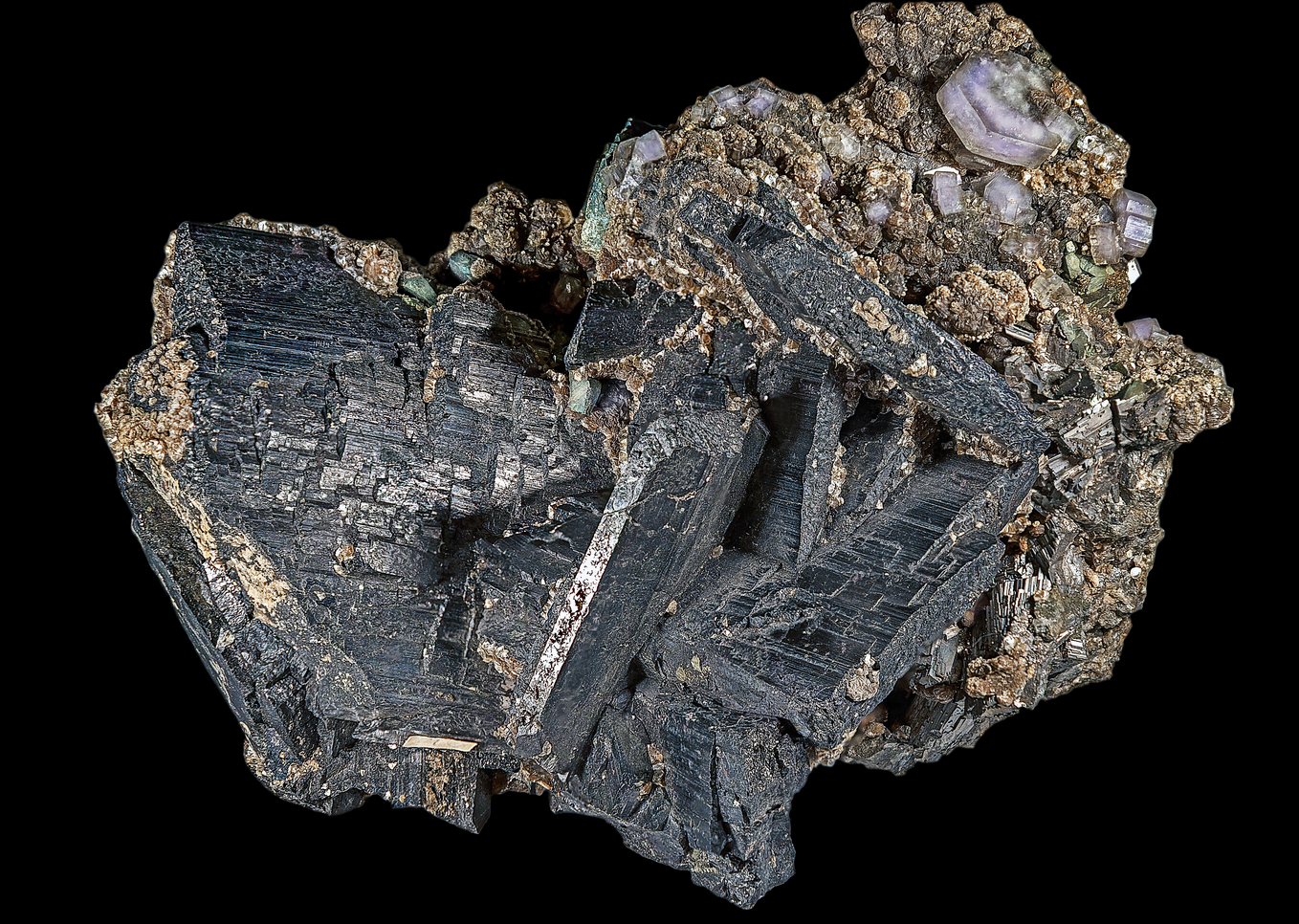
For decades, it was dismissed. Avoided. Even feared in the way early industrial societies feared anything they couldn’t control. It had no obvious value. No beauty. No utility.
It was just a problem.
But in the late 1700s — at the height of the Enlightenment, when mankind was beginning to believe it could unlock the secrets of nature itself — two brothers decided to take a closer look at this “worthless” rock.
Not because it was valuable…
But because it was different.
Working in crude laboratories lit by fire and curiosity, Fausto de Elhuyar and Juan José de Elhuyar did something no one had ever done before. They didn’t try to melt it. They didn’t try to ignore it.
They tried to understand it.
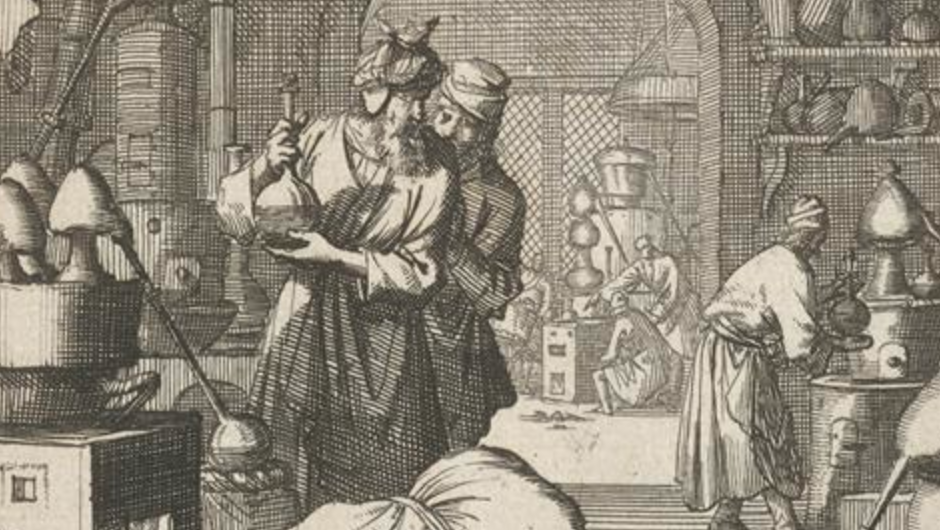
What they found would change the trajectory of modern industry forever.
Because inside that stubborn, problem-causing ore… wasn’t just another metal.
It was a material so dense, so heat-resistant, so fundamentally unlike anything else on Earth… that it would go on to power everything from light itself… to the tools that built the modern world… to the weapons that would define global power.
But in 1783…
They had no idea what they were holding.
All they knew was this…
They had just pulled something out of stone that shouldn’t have been possible to extract… using heat, chemistry, and sheer intellectual force.
A metal that refused to reveal itself for thousands of years had finally been dragged into the light.
And what started as a miner’s curse…
Was about to become one of the most important materials in human history.
What Fausto and Juan José de Elhuyar pulled from stone in 1783 wasn’t just a new metal…
It was a material that would quietly slip into the backbone of civilization itself.
At first, no one fully understood what they had.
Tungsten didn’t behave like the metals that built empires. It didn’t melt easily. It didn’t bend. It resisted. It endured. It refused.
And for a while, that made it almost useless.
But then something happened.
The Best Free Investment You’ll Ever Make
Join Gold World today for FREE. Get the latest insight on gold, silver, and precious metals delivered straight to your inbox. When you become a member today, you’ll get our latest free report: “The Dawn of NatGold.” Don’t Delay!
After getting your report, you’ll begin receiving the Gold World e-Letter, delivered to your inbox daily.
Humanity caught up.
In the late 1800s, as the Industrial Revolution accelerated, engineers ran into a problem…
Steel — strong as it was — had limits.
Machines were running hotter. Faster. Harder. Factories were scaling. Railroads were expanding. Manufacturing was becoming relentless.
And the tools?
They kept failing.
Edges dulled. Metals warped. Heat destroyed precision.
Until tungsten entered the picture. Yes, tungsten.
When alloyed with steel, tungsten didn’t just improve it…
It transformed it.
Suddenly, tools could cut through harder materials. They could maintain their edge under extreme heat. They could operate at speeds that were previously impossible.
This wasn’t an upgrade.
This was a leap.
Tungsten became the foundation of high-speed steel — the material that allowed factories to scale, mass production to explode, and industrial efficiency to reach levels the world had never seen.
Without tungsten…
The machine age wouldn’t have accelerated the way it did.
Then came one of the most profound shifts in human history…
Light.
Not fire. Not candles. Not oil lamps.
Electric light.
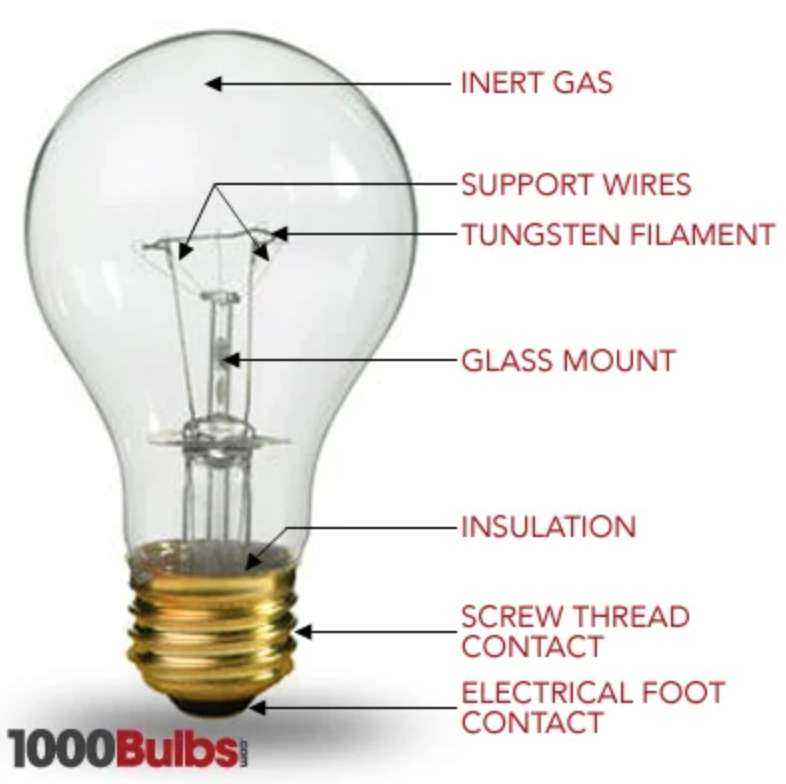
When Thomas Edison and others were racing to commercialize the light bulb, they faced a brutal limitation…
Most materials simply burned up.
Filaments melted. Vaporized. Failed.
Until tungsten.
Tungsten could withstand temperatures no other metal could endure. It could glow white-hot without disintegrating.
And just like that…
The modern light bulb was born.
Think about what that actually means.
Tungsten didn’t just improve lighting.
It extended the human day.
It reshaped productivity, cities, economies — entire ways of life. It turned night into something manageable… even useful.
From factories running 24 hours a day… to families gathering under artificial light…
Tungsten helped illuminate the modern world.
As the 20th century unfolded, tungsten found its way into something even more critical…
Precision.
Industrial tools. Cutting equipment. Drill bits. Surgical instruments.
Tungsten carbide — one of the hardest materials ever produced — allowed humanity to shape the physical world with incredible accuracy.
Skyscrapers. Automobiles. Airplanes. Infrastructure…
They all required tools that could endure stress, friction, and heat.
Tungsten made that possible.
It allowed us to cut deeper. Drill faster. Build stronger.
It wasn’t the headline.
But it was always there, doing the work. And then… something interesting happened.
Tungsten didn’t stay confined to factories or laboratories.
It began to show up in the most ordinary places.
Not as a luxury. Not as a spectacle.
But as a silent enhancer of daily life.
The vibrations in your phone… the balance in your pen… the durability of your tools… the ring that never scratches… the fishing weight that disappears beneath the surface…
Tungsten became one of those materials you never think about but constantly rely on.
And while it was improving everyday life on one end, it was shaping global power on the other.
Because tungsten has another property that cannot be ignored…
It is incredibly dense.
And in the world of defense, density matters.
From armor-piercing capabilities to advanced aerospace applications… Tungsten became a material that doesn’t just build the world…
It helps determine who controls it.
Whoever Controls Tungsten Controls the World
This is what makes tungsten so fascinating.
It doesn’t sit in vaults like gold. It doesn’t trade headlines like oil. It doesn’t dominate conversations like copper.
And yet…
It has been there at every critical inflection point in modern history.
Quietly. Relentlessly. Indispensably.
Because tungsten was never meant to be admired.
It was meant to perform. And for over two centuries…
It has done exactly that.
In Part 2 of my tungsten analysis, I’ll explain why the United States desperately needs a domestic source of tungsten… and how this dovetails into another massive investment opportunity in a metal most everyday investors continue to ignore — distracted, as always, by the glitter of gold and silver.
Get to the good, green grass first…
The Prophet of Profit,

Brian Hicks
 Check us out on YouTube!
Brian is a founding member and President of Angel Publishing. He writes about general investment strategies for Wealth Daily and Energy and Capital. Brian is the managing editor and investment director of R.I.C.H Report (Retired Independent Carefree Healthy), New World Assets and Extreme Opportunities. For more on Brian, take a look at his editor’s page.
The Best Free Investment You'll Ever Make
We never spam! View our Privacy Policy
After getting your report, you’ll begin receiving the Wealth Daily e-Letter, delivered to your inbox daily.
Angel Publishing Investor Club Discord - Chat Now
Brian Hicks Premium
Introductory

Advanced


